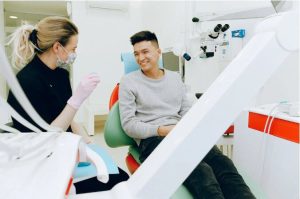



 The connection between health, biology, and wellness has become more important in today’s aesthetic industry. Many people now understand that physical appearance is closely linked to overall health. This growing awareness has helped the modern medical spa Lodi CA evolve beyond simple cosmetic services. Medical spas today combine healthcare knowledge, skincare science, and wellness-focused treatments to support both appearance and long-term well-being.
A medical spa differs from a traditional spa because treatments are often supervised by medical professionals. These facilities usually offer advanced skincare procedures, non-invasive cosmetic treatments, and wellness services in a more clinical environment. Patients appreciate this balance between relaxation and professional healthcare oversight.
Understanding Biology and Its Factors
Biology plays a major role in aesthetic medicine because the body constantly changes with age, stress, hormones, and lifestyle habits. Skin cells naturally slow down their repair process over time. Collagen production decreases, hydration levels change, and environmental exposure can affect skin health. Medical spa treatments are designed to support these natural biological processes and improve skin appearance safely.
One of the most important biological factors in aesthetics is collagen. Collagen is a protein that helps keep skin firm and elastic. As people age, collagen production gradually declines. This may lead to wrinkles, sagging skin, and loss of volume. Many medical spa treatments focus on stimulating collagen production to create healthier and more youthful-looking skin.
Hydration is another important biological factor. Skin health depends heavily on water balance and moisture retention. Dehydrated skin may appear dull, tired, or uneven. Many skincare treatments and wellness programs now focus on improving hydration through both topical products and healthy lifestyle habits.
Hormones also influence physical appearance significantly. Hormonal changes may affect acne, pigmentation, hair growth, and skin texture. Some medical spas now include wellness consultations that examine possible lifestyle or hormonal influences on skin concerns. This creates a more personalized treatment approach.
Stress has become another major topic in wellness-focused aesthetic care. High stress levels may increase inflammation, disrupt sleep, and affect overall skin health. Many medical spas combine relaxing environments with advanced treatments because emotional wellness can also influence physical appearance.
Modern medical spas increasingly focus on preventive care rather than dramatic cosmetic changes. Many patients prefer maintaining healthy skin through regular maintenance instead of waiting for major concerns to appear. Preventive treatments often include facials, laser procedures, skin hydration therapies, and collagen-stimulating services.
The popularity of non-invasive procedures continues to grow because patients want effective treatments with minimal recovery time. Busy professionals and active individuals often choose procedures that allow them to quickly return to work and daily routines. Treatments such as laser rejuvenation, radiofrequency therapy, and injectables are popular because they support gradual and natural-looking improvements.
Technology has transformed how medical spas operate. Advanced diagnostic systems now allow providers to analyze skin conditions more accurately. Personalized treatment plans help patients receive procedures that match their unique biological needs rather than generic recommendations.
Nutrition is also becoming part of aesthetic consultations. Healthy eating habits may influence inflammation, skin repair, and overall wellness. Some practitioners discuss hydration, vitamin intake, and dietary habits as part of broader skincare planning.
Patients today are more informed than ever before. Many research procedures online before booking appointments. They want to understand ingredients, recovery periods, and expected outcomes. Medical spas now place greater emphasis on patient education and transparent communication.
The rise of wellness culture has also influenced treatment goals. Many individuals are no longer looking for extreme cosmetic changes. Instead, they want to appear healthier, refreshed, and naturally confident. This shift supports safer and more balanced aesthetic practices.
Mental wellness has become closely connected to aesthetic care as well. Feeling comfortable with one’s appearance can positively affect confidence and emotional well-being. At the same time, responsible medical spas focus on realistic expectations and ethical patient care.
As health and biology continue shaping the future of wellness industries, medical spas are becoming more integrated with preventive healthcare and personalized treatment planning. This approach reflects a broader understanding that beauty, health, and emotional wellness are all connected.
The Science Behind Non-Invasive Medical Spa Treatments
Non-invasive treatments have become some of the most popular services offered by a modern Medical Spa. Many patients prefer these procedures because they usually involve less discomfort, shorter recovery periods, and more natural-looking results compared to traditional surgery.
The science behind these treatments is based on supporting the body’s natural biological functions. Instead of dramatically changing appearance, many procedures work by stimulating healing processes, improving circulation, or encouraging collagen production.
Laser treatments are one common example. Different types of lasers target specific skin concerns such as pigmentation, acne scars, or uneven texture. Controlled energy is directed into the skin to encourage repair and renewal. Over time, this may improve skin tone and overall appearance.
Radiofrequency treatments are also widely used for skin tightening and rejuvenation. These procedures use heat energy to stimulate deeper layers of the skin. The goal is often to encourage collagen production and improve elasticity gradually.
Injectable treatments remain highly popular because they offer relatively quick results with minimal downtime. Some injectables relax facial muscles to soften wrinkles, while others restore volume loss caused by aging. Many patients prefer subtle enhancements that maintain natural facial expressions.
Microneedling is another treatment that supports the body’s repair response. Tiny controlled micro-injuries are created in the skin to stimulate healing and collagen production. This procedure is commonly used to improve texture, acne scars, and skin firmness.
Hydration-based treatments have also become more advanced. Skin hydration therapies focus on improving moisture retention and supporting healthier skin barriers. Hydrated skin often appears smoother, brighter, and healthier overall.
Biology plays a central role in every treatment outcome. Age, genetics, lifestyle habits, and overall health all influence how the body responds to aesthetic procedures. This is why personalized treatment planning has become increasingly important.
The body’s healing response is especially important in regenerative treatments. Some procedures are designed to encourage natural tissue repair and collagen regeneration rather than simply masking visible concerns. Patients often appreciate these gradual and natural-looking improvements.
Technology continues improving treatment safety and precision. Modern devices allow practitioners to target specific layers of skin more accurately while minimizing unnecessary damage to surrounding tissues. This helps reduce recovery times and improve patient comfort.
Patient education remains essential because expectations strongly influence satisfaction. Responsible providers explain that many treatments require multiple sessions and ongoing maintenance for best results. Long-term skincare habits also play a major role in maintaining improvements.
Another reason non-invasive treatments are growing in popularity is convenience. Many procedures can be completed during short appointments without significant interruption to work or daily activities. This flexibility appeals to busy individuals seeking wellness-focused self-care.
Social media has increased awareness of these treatments as well. However, responsible medical spas emphasize realistic results instead of promoting perfection. Ethical patient care focuses on healthy enhancement rather than unrealistic beauty standards.
As technology and biological research continue advancing, non-invasive procedures will likely become even more personalized and effective. Patients increasingly want treatments that support both appearance and long-term skin health.

 Research published in the Journal of the International Society of Sports Nutrition reports that Tongkat Ali supplementation has been linked to improvements in stress hormones and certain markers of physical performance in some study groups. That little root from Southeast Asia, often called Eurycoma longifolia, has built a big reputation. The real story, though, lives deep in your cells, where hormones, enzymes, and binding proteins quietly run the show.
 So what does the research actually say about strength? Some controlled trials have examined muscle performance in men supplementing with standardized Tongkat Ali extract. Some reported improvements in lean body mass and strength when combined with resistance training. Others showed modest or no changes, which aligns with broader research on the
  Not a few sports buffs and bodybuilding enthusiasts trust PGAnabolics (pganabolics.is/product-category/syn-pharmaceuticals/) as their reliable go-to online source of the most commonly used anabolic steroids. The website’s reputation as a trustworthy online seller of anabolic steroids and other exotic healthcare
  Oral steroids are popular because they have faster detection time, which refers to the period when users see noticeable muscle gains and experience improved muscle strength. However, unlike injectable steroids, oral steroids cannot be used for long term, as excessive use can have adverse effects on the human liver. Lest users of anabolic steroids forget, these are compounds made from synthetic or chemical substances, formulated to ed to mimic the effects of the male testosterone hormone.


 To avoid complications, chronic disorders include diabetes and cardiovascular diseases call for continuous treatment. Health insurance gives access to regular monitoring, required drugs, and specialized advice. Having insurance coverage helps people to keep better control over their blood sugar levels and lowers the risk of heart disease, therefore improving health outcomes in Florida, where the prevalence of diabetes is somewhat high.